Comprendere la perdita ambigua: affrontare l'incertezza nelle malattie rare

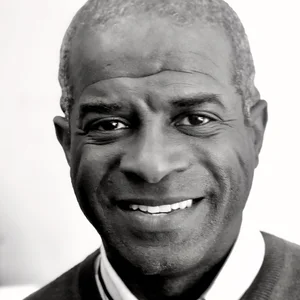
Da: Craig A. DeLarge
Come gestire la perdita che puoi sentire ma non vedere
In nearly two decades of caregiving for a loved one with a serious illness, I have experienced feelings of loss, grief, guilt, anger, and fear that I have not been able to shake, though time, education, and community have helped me to cope better. I have come to understand my sense of loss to be Ambiguous Loss (AL)—a situation distinguished by a lack of facts or certainty about the loss of a loved one and/or the life we once knew.
My name is Craig DeLarge. I am a mental health educator who normally focuses on ways digital technology can help people build resilience. Since learning about rare diseases and meeting caregivers of people who live with rare diseases, I have been curious about how AL affects the resilience of people dealing with these conditions.
Ambiguous Loss (AL) is a type of loss defined by uncertainty that our loved one will come back or ever be who they used to be. With a loss of this nature, there is often no social acknowledgment that a loss has occurred, and thus no normal way to cope and grieve. A particularly helpful resource for me has been Ambiguous Loss by Pauline Boss, PhD, Professor Emeritus at the University of Minnesota. In addition to defining the concept of AL, Dr. Boss’s research offers coping strategies for a situation that causes immeasurable pain and suffering for many people.
There are two main types of AL. In the first scenario, the loss is due to physical absence, but loved ones lack facts about the person’s absence. Examples include experiences of abandonment or a missing persons scenario. Immigrants, adoptees, and loved ones of someone who is incarcerated may also experience this type of AL. The second kind of AL involves situations in which someone is physically present but psychologically absent. Living with an emotionally distant, ill, injured, or disabled loved one can cause this kind of AL. Both types of loss may be experienced in a rare disease situation, depending on the nature of the disease and the circumstances that emerge.
AL is unique in that people facing this kind of loss are denied traditional closure rituals and acknowledgments, like memorials and respite periods, as well as typical social support and bereaved status. They are expected to carry on as usual and may be stigmatized when they do not. Because they are human, of course people affected by AL deal with grief, doubt, guilt, anger, fear, hopelessness, isolation, exhaustion, ambivalence, denial, and a host of other difficult emotions. They also struggle with role conflicts and boundaries for themselves and their loved ones. The ambiguity they face is often immobilizing, which can lead to even more crises. Because the effects of AL can be far-reaching, healing interventions tend to be family and community-oriented.
C. Grace Whiting, presidente della National Alliance for Caregiving, ha descritto AL in modo convincente in una recente intervista. "Per molti caregiver, parliamo della fatica delle attività o dei compiti, ma penso che la parte davvero impegnativa sia quel senso di dolore complicato. Un senso di perdita per come sarebbe stata la tua vita se questa persona non avesse avuto la malattia o la disabilità... non solo la perdita di opportunità, ma forse i piani che avevi per il futuro, i cambiamenti nella relazione, persino il chiedersi se avrai ancora una buona relazione se assumi questo ruolo di caregiver".
The good news is that there are effective coping strategies for individuals dealing with Ambiguous Loss, including:
Developing a sense of acceptance of loss and ambiguity. Dr. Boss calls this "ease with imperfection.” Here we find ways to hold a space for accepting that certain aspects of life may have changed for good, and others may be indefinitely in a state of turbulence we had not planned for. We discover we are capable of bearing more than we thought possible. When coaching caregivers, I often say, "It’s hard, but alas, not impossible."
Discernere e dominare ciò che può essere controllato. Anche se sviluppiamo l'accettazione, dovremmo anche fare continuamente il punto su ciò che possiamo controllare e padroneggiare. In questo atto di fare il punto, ci impegniamo a sviluppare continuamente conoscenze, abilità e relazioni che ci rendono più padroni nel tempo.
Cercare rifugio in comunità "connesse". Può essere estremamente utile coltivare una comunità di coetanei e persino di professionisti che ci sostengano nel nostro viaggio di accettazione e padronanza. Un tale gruppo può aiutarci a capire e a riformulare le nostre percezioni di AL per aiutarci a trovare un significato in una situazione difficile.
Adopting mindfulness practices. Mindfulness, which can be as simple as paying attention to the present moment, helps us balance our perceptions of our situation. It can afford us deep insights into what we need to do for ourselves and our families amid the hardship, while also helping us acknowledge the blessings in every moment of our challenging situation.
It has been my personal experience that these coping strategies work, especially when used in combination—but only through patient, persistent practice. There may be no silver bullets here, but there are many silver linings.
Risorse per ulteriori informazioni:
Ambiguous Loss: Learning to Live with Unresolved Grief by Pauline G. Boss.
Video Summary of Ambiguous Loss Book Discussion by Craig DeLarge
OnBeing, Interview with Dr. Pauline Boss on Navigating Loss without Closure: Pauline Boss — Navigating Loss Without Closure - The On Being Project
C. Grace Whiting Cares About Those Caring for Others by Julie Pfitzinger, November 19, 2020.
Coping With 'Ambiguous Loss' is Part of the New Normal by Brandon Jones, November 9, 2020.
Sarcoidosis and Quality of Life: A Dissertation — Foundation for Sarcoidosis Research [Author’s note: this article describes a case of AL in rare disease]
About the Craig A. Delarge
Craig A. DeLarge is a digital health strategist, mental health advocate, educator, and leadership professor and coach. He works to improve health and develop leaders, these days, at WiseWorking Leadership Coaching, LLC, The Digital Mental Health Project, and Temple University. He lives in Philadelphia.