Cambiatore in Rare: Mary Kay Koenig, M.D.
Per capire veramente la complessità di una malattia rara, ci vuole un raro tipo di medico. Vieni a conoscere gli specialisti che sono all'avanguardia nella ricerca sulle malattie rare con la nostra serie, Changemakers in Rare.

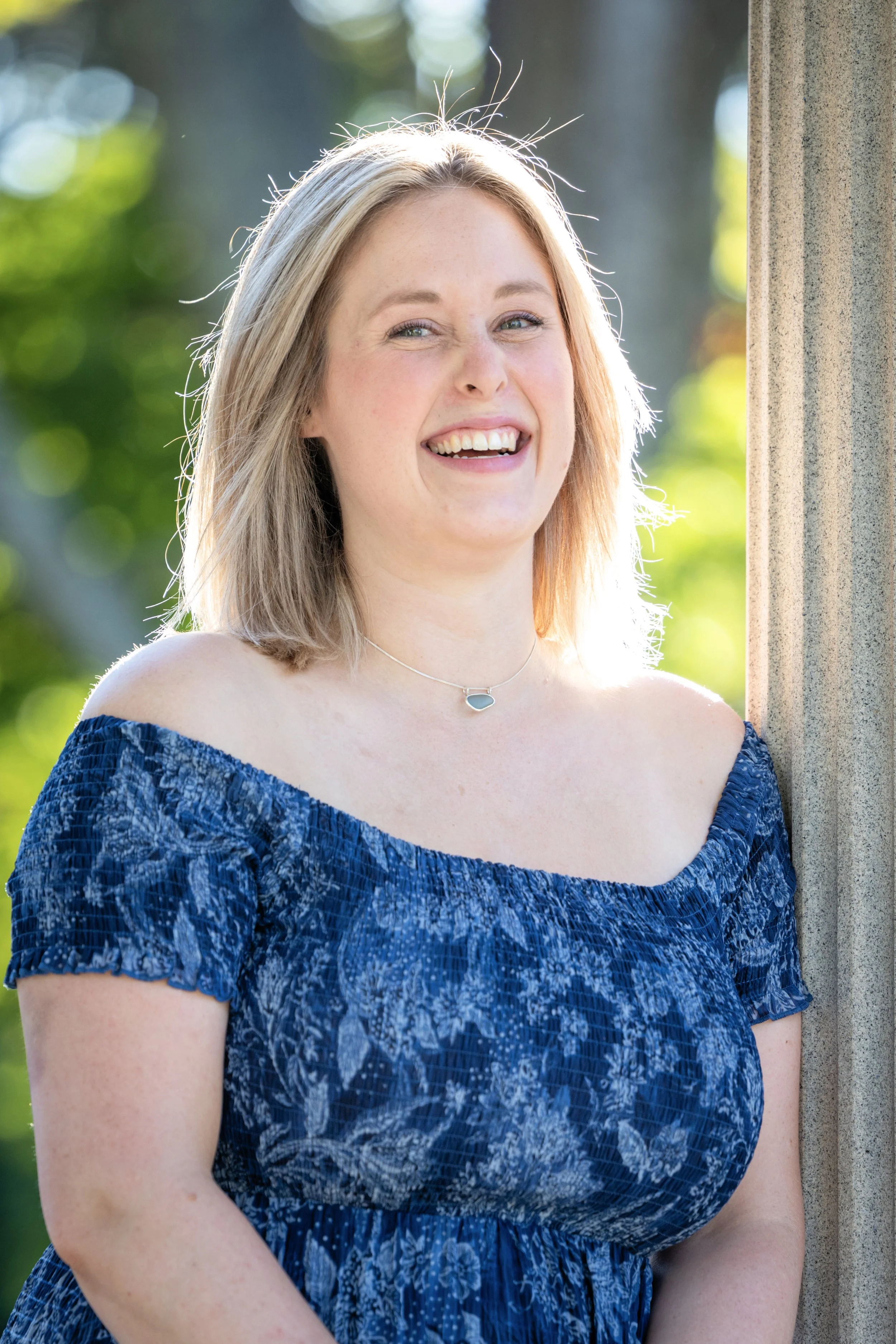
Mary Kay Koenig, M.D., Pediatric Neurologist
La dottoressa Mary Kay Koenig è un medico con molti interessi, dalla chimica alla neurologia alla cura dei bambini, ma all'inizio della sua carriera medica, non avrebbe mai potuto immaginare che la medicina mitocondriale sarebbe stata la specialità dove tutte le sue passioni si sarebbero intersecate. Nel 2007, il Dr. Koenig (che è il direttore del centro per il trattamento della malattia neurodegenerativa pediatrica e Endowed Chair di medicina mitocondriale presso l'Università del Texas Health Science Center di Houston), ha stabilito il centro di eccellenza mitocondriale UT a Houston, dove lei guida un team di medici e ricercatori nella conduzione di ricerca all'avanguardia e fornire assistenza medica a bambini e adulti affetti da disturbi mitocondriali. Continuate a leggere per conoscere la sua strada verso la ricerca sulle malattie rare e come ha adattato la sua pratica agli impatti della pandemia.
Come ha fatto il suo percorso educativo e professionale a portare alla sua specializzazione in malattie mitocondriali?
“I wanted a career where I could really get to know my patients…I’m in an environment where I have the opportunity to go through this journey with them, and I find that very rewarding.”
Come la maggior parte delle persone, non credo di aver saputo cosa volevo fare quando ero un bambino. Forse pensavo di saperlo, ma in realtà non ne avevo un'idea precisa! Dopo il liceo sapevo che volevo concentrarmi sulla scienza. Sono andata all'Università del Texas ad Austin, dove mi sono laureata in biochimica. Ero davvero affascinato dal modo in cui la chimica funziona all'interno del corpo umano, e come questo influenza la salute e la nostra vita. In seguito, sono andato alla Texas State University, dove ho ottenuto un master in microbiologia. Da lì, non sapevo bene quale strada prendere. Ho iniziato a insegnare per qualche anno - ho insegnato all'Austin Community College - ed è lì che ho trovato la mia passione per la medicina. Mi sono innamorata della malattia mitocondriale e questo ha legato tutto insieme. Ora, sono in grado di lavorare con la chimica, sono in grado di lavorare con la neurologia, sono in grado di lavorare con i bambini, e mi piace molto quello che sto facendo.
Come hai fatto a far decollare il tuo programma?
It started with an idea. I still remember the day I went to my new boss and said, “I want to open a mitochondrial clinic.” And he said to me, “You don't have enough patients to open a mitochondrial clinic.” I said, “I think I will if I do…just let me try.” Our first clinic opened in 2007—it was based on faith. I had said, “I think I can do it,” and my boss believed in me and said, “I’ll let you try.” We started seeing patients one half-day a month, and after a few months, that clinic was so full that we expanded to two half-days a month. We quickly grew to have a full-time mitochondrial clinic, and I stopped seeing other neurology patients—I was so busy. It was the old adage: “If you build it, they will come.” Pretty quickly, we started getting a lot of patients, and so I needed to bring on a full-time nurse. We got very interested in research and so we started looking to bring on a research associate. Our clinic center has just continued to grow—we currently have positions for three nurses, we have three full-time research coordinators, we have our research director, we have [our director of] clinical operations, we have an office director of operations, we have another neurologist who specializes in movement disorders, and we also have a social worker who's become part of our program.
Come ha influito la pandemia sulla sua area di assistenza sanitaria? E qual è la nuova normalità per la ricerca sulle malattie mitocondriali e le visite cliniche per la sua specialità?
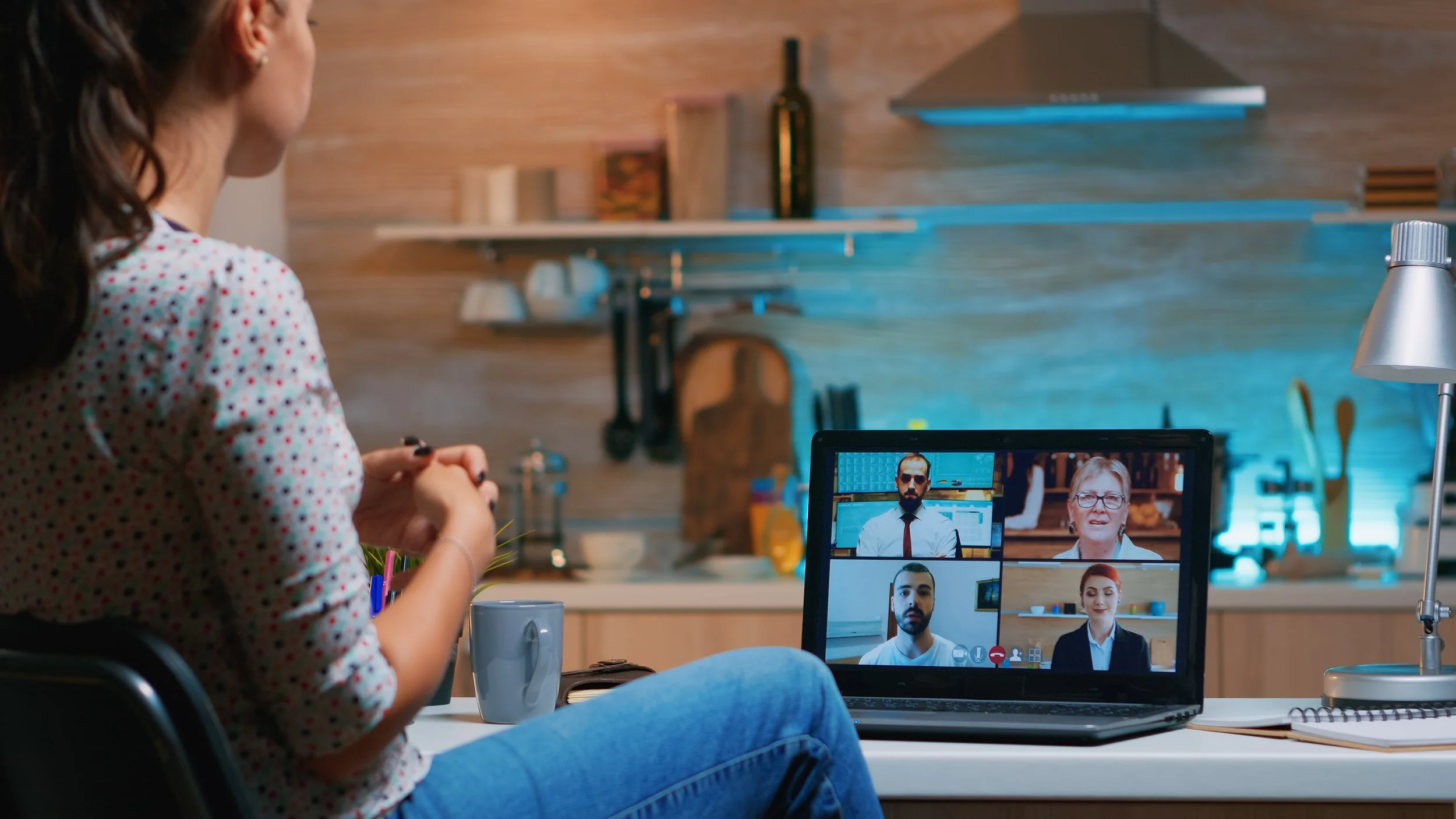
The pandemic has had a great impact on healthcare in general. When we first realized how bad things were in the United States, the majority of the healthcare system—as well as the research system—shut down, and that created a void in two very distinct areas, but both very important. From a research perspective, a lot of our ongoing clinical trials had to stop because patients couldn't get to the clinical sites to perform their study visits. We still don't know what impact that's going to have in the long run on the clinical trials that we've been running, and as far as being able to assess the efficacy of treatments that we've been testing. I'm happy to say that we have found a way to mitigate the risks for our patients, and we have reopened clinical research in a way that we feel is safe, and [we are] still able to assess the medications and the therapies that are being developed. So we are moving forward in that arena, and hoping that we can get back to where we were just a few months ago. From a clinical standpoint, we also shut down, for the most part, all of our elective clinical visits, as well as elective clinical procedures for several months. Thankfully, our offices were able to get a telemedicine program up and running relatively quickly, which enabled us to stay in close contact with our patients. So we were still able to provide them with medical services and medical care. Unfortunately, there are a lot of people who are still afraid to come into medical systems to get labs drawn, to see their physicians, to have necessary procedures performed—and we're realizing more and more every day what a detrimental impact that's having on people's health. So I'm hopeful that people will begin to reutilize the medical system in a way that is safe and careful so that they can continue to access these necessary elective medical needs.