Cambiatore nell'acidemia propionica e metilmalonica: Kimberly Chapman, MD, PhD
Per capire veramente la complessità di una malattia rara, ci vuole un raro tipo di medico. Vieni a conoscere gli specialisti che sono all'avanguardia nella ricerca sulle malattie rare con la nostra serie, Changemakers in Rare.

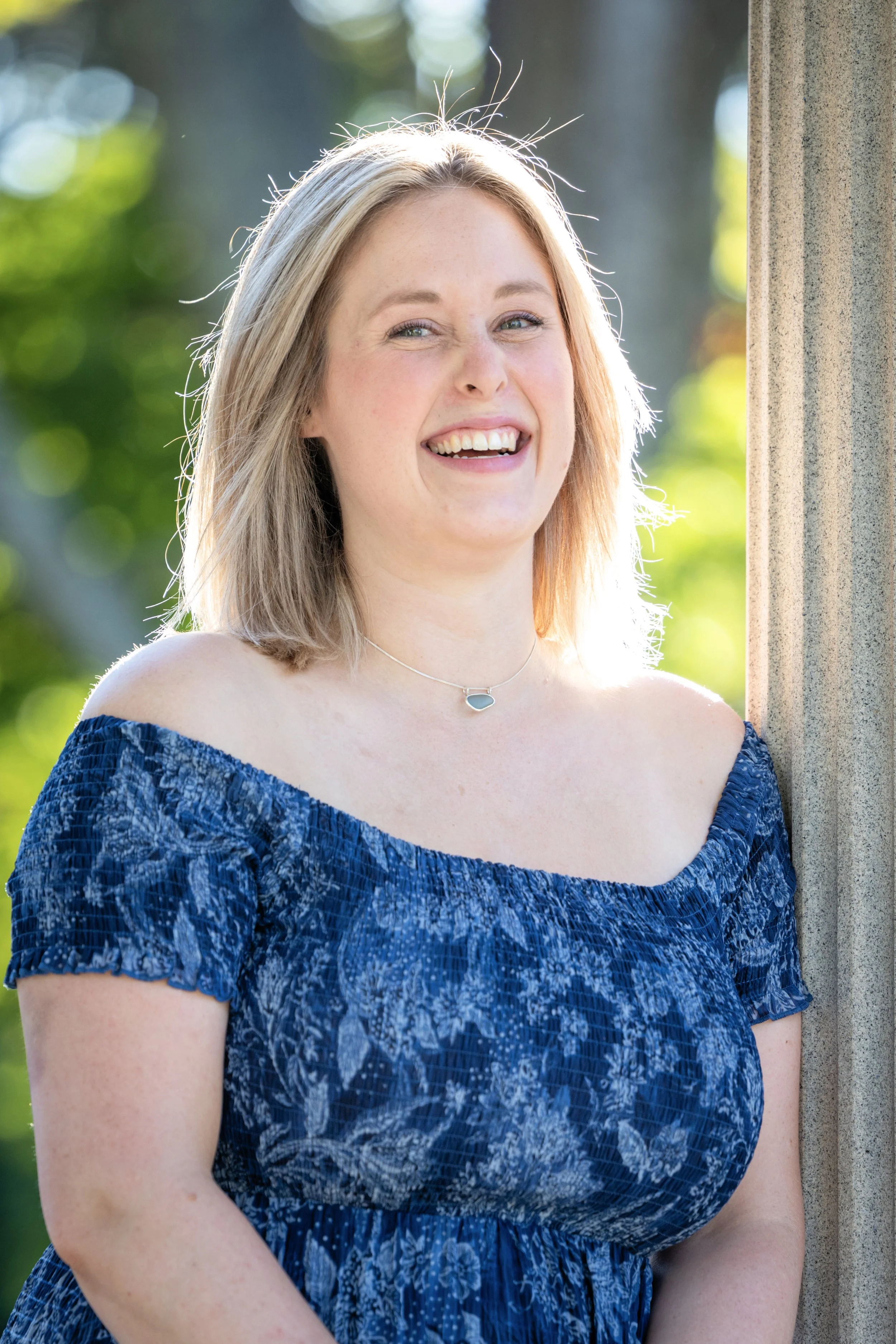
Dr. Kimberly Chapman, Medical Geneticist
For Kimberly Chapman, the path to rare disease research began with necessity. During her medical residency, she was inspired by a patient who lived with propionic acidemia (PA), a rare metabolic disorder. Dr. Chapman became determined to change the future of treatment for those living with propionic acidemia. i.). Today, she is a medical geneticist based at the Children’s National Hospital in Washington, D.C., and is a leading expert on PA and other mitochondrial diseases and metabolic disorders. She also serves as the director of the mitochondrial disorders clinic at Children’s National. Read on to learn more about Dr. Chapman’s work, and why she feels that clinical trials are a crucial pathway to rare disease therapies.
Cosa l'ha ispirata a diventare uno specialista in malattie rare?
Sono sempre stata affascinata dalla genetica e dal DNA, il mio primo lavoro è stato in un laboratorio dove ho studiato il DNA. Mi piaceva il processo diagnostico e la soddisfazione che avevo nel prendermi cura di tutta la famiglia. Durante il mio internato e la mia borsa di studio in questi campi, mi sono presa cura di una giovane donna che aveva l'acidemia propionica [una condizione ereditaria che impedisce al corpo di scomporre alcuni elementi delle proteine e dei grassi], il che mi ha colpito molto. Mi sono sentita incredibilmente frustrata dalla mancanza di terapie disponibili, così ho continuato a studiare la PA - così come l'acidemia metilmalonica, un disturbo correlato - nel mio laboratorio.
Molti pazienti sono riluttanti a partecipare a una sperimentazione clinica a causa delle paure su ciò che potrebbe essere coinvolto nel processo. Che consigli ha per le persone che convivono con una malattia rara e che stanno pensando di partecipare a una sperimentazione clinica?
We don't know a lot about rare disorders because they are rare. When you write up clinical guidelines that summarize the appropriate treatment for many of those rare disorders, it becomes very apparent that, up to this point, treatment was based on trying something out and seeing if it worked. In more recent times, we’ve been able to identify the best management practices by using natural history studies and seeing whether one therapy or another helped more in real-life situations. We can also figure out typical complications from these therapies. One often doesn't think of natural history studies as clinical trials, but they are. They become the basis for trials that compare a new medicine or intervention to the current standard of care guidelines. If you have a rare disease, our best chance in helping you or future folks with any rare disorder is to learn from your experience as part of a natural history study, and with your help as a participant in a therapeutic trial. If you don't participate, how can we help you and others with the same thing?
Qual è una cosa che vuole che la gente sappia del suo lavoro e di quello di altri specialisti di malattie rare?
I wear a lot of hats—as a basic science researcher, clinical trialist, clinician, and more—but they all have the same aim: to help individuals with rare diseases, and their families, to live better lives. If you ask me a question, I can answer from all of these perspectives. However, there is still a lot that we don't know about rare diseases. Sometimes the answer is, “I don't know at this time.” By participating in clinical trials, people living with rare diseases can help us to give that answer less than we have to now.