La storia di Lindsay: Un viaggio nella miastenia gravis dalla disperazione alla speranza

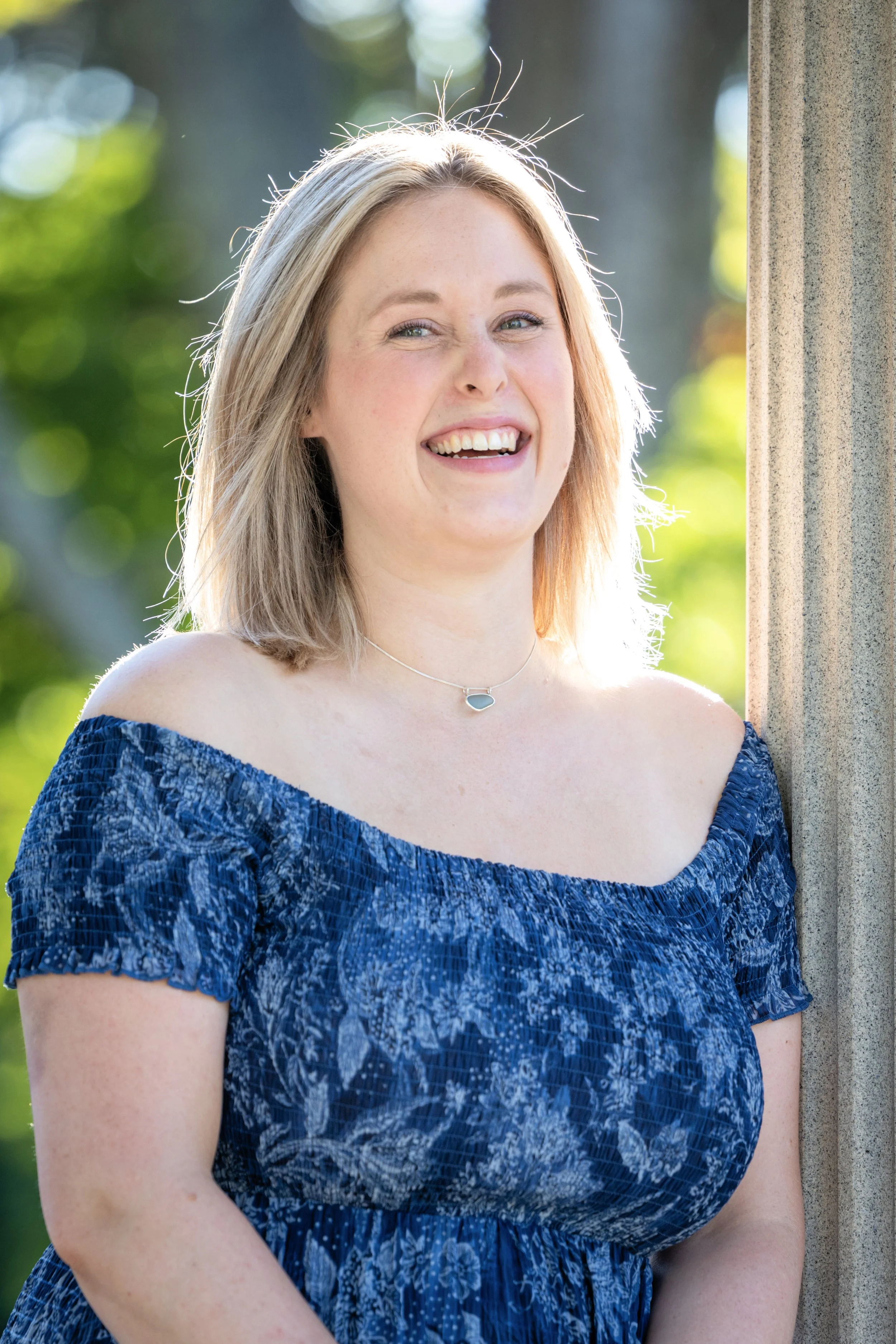
By Lindsay Alpert
Just imagine this: You are a twenty-five-year-old woman, thriving in your career as an emergency department nurse, going back to school to become a nurse practitioner, getting a brand new apartment and a new puppy! It’s the start to a pretty amazing story of a young woman’s life journey.
Nel mio caso, questo si è rivelato essere l'inizio del tipo di viaggio che non avrei mai potuto immaginare.
Mi chiamo Lindsay Alpert e ho trentuno anni. Questo è il mio viaggio e il mio percorso verso la diagnosi di una rara malattia neuromuscolare cronica autoimmune, la Miastenia Gravis.
Domande e cambiamenti sconcertanti
I first noticed symptoms in the summer of 2015. My symptoms were very minuscule in the beginning but started to increase so I attributed most of them to stress, anxiety, and working a full-time night shift as a nurse in an ER. The symptoms were so bizarre and straight-up silly to me: I could not hold up my hair dryer to dry my hair as my arms would get completely exhausted. Simple things like sucking out of a straw was such a struggle. As a nurse, I suddenly found simple tasks like opening up a vial of medication or opening up a fluid bag to be my hardest. I could only type with two fingers at a time. When giving a report on my patients my voice would slur, and become more nasal the more I would speak.

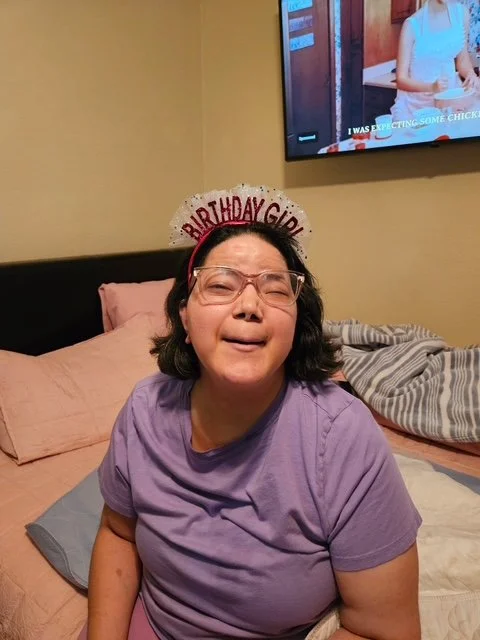
I sintomi della MG di Lindsay le rendevano difficile fare cose elementari, come sorridere
Con il passare del tempo, i miei colleghi infermieri cominciarono a pensare che fossi malato di raffreddore. Avevo problemi a masticare cibi come panini, bagel e praticamente tutto ciò che aveva una consistenza dura. Mi sono quasi strozzato con il cibo più volte. E la cosa peggiore, di gran lunga, era l'incapacità di sorridere. I miei muscoli facciali erano così deboli che non potevo sorridere o fare espressioni facciali.
I was overwhelmed. Why was this happening? The harder I tried to carry out my normal everyday activities the more I struggled. Is this all in my head? I am a strong person! This will go away. I just need to eat healthier and get more rest.
But it didn't go away, in fact, it got worse. I spent about 6 months of visits to my primary care doctor and my ENT(ear nose throat) specialist. I received multiple tests, including blood tests, speech, and swallowing tests, and tried speech therapy until I was finally referred to a neurologist. This referral took about 3 months.
At this point, my mental health had taken a complete turn for the worse. My symptoms had amplified my anxiety and social anxiety. I felt isolated and I did not want to go out and do things with friends. I was too weak and needed to conserve my energy so I could still show up to my job as a nurse. I was also embarrassed to be around people and to eat out at a restaurant because I knew I would struggle. As one could imagine, this made me feel very lonely, depressed and shut out from the rest of the world. I was not comfortable with myself, I could not be my authentic self.
In attesa di risposte

Ho prenotato un appuntamento con un neurologo che poteva vedermi più velocemente, che era ancora un'attesa di 3 mesi. Questo dottore era molto gentile e competente. Per fortuna, è stato onesto e mi ha detto che non era sicuro di cosa mi stesse succedendo, ma voleva indirizzarmi da uno specialista neurologo neuromuscolare. Pensava che potessi avere la Distrofia Muscolare Facioscapolomerale. Questo mi ha completamente spaventato, perché dopo aver indagato su questa malattia molto rara era chiaro che non c'era una gestione medica conosciuta e i pazienti alla fine hanno bisogno di stare su una sedia a rotelle a lungo termine con il progredire della debolezza.
As a nurse, I had done my own research and had identified the disease Myasthenia Gravis as a plausible match to my symptoms. I asked my neurologist about it and because I was not having ocular symptoms, including droopy eyelids, it really couldn't be Myasthenia Gravis.
For the next 6 months, I eagerly waited for my appointment with the neuromuscular specialist hoping for some clarity to my struggles. During this time I continued to do much of my own research and tried to learn as much as I could so I would be prepared and knowledgeable.
This time was extremely hard for me, as I struggled to just get out of bed in the morning, to get to my car, and to get to work. There were several moments during patient care when I was afraid that my body would give up on me. One day, one of my patients was in full-blown cardiac arrest, his heart had stopped beating. As I was doing chest compressions and running around like crazy, the paramedic in the room told me that I didn't look so great. He was right, my body was close to fully collapsing. Despite this, I felt compelled to hide my symptoms and emotions to do my job and try to help save this man's life. My life revolved around work, sleep, and rest-- enough to go back and forth to work. My own health came last.
Il cammino verso la guarigione

Quando finalmente arrivò il giorno di vedere lo specialista neuromuscolare, egli poté dire molto rapidamente che soffrivo di Miastenia Gravis. Ero felicissimo di questa notizia, finalmente avevo una risposta!
He gave me medication and performed a lot of additional tests. The medication he gave me, mestinon, actually started to make me feel better! The next six years after I was diagnosed was a rollercoaster ride including surgery, hospitalizations, different medications, and different treatment regimens.
I am currently in a great place- at least for right now. In December I started an Instagram page (@lindsay_rae_sunshine) to share my journey because I feel it is my duty to give back to people, like me, who struggle with their rare disease and find the answers to help them live life.
So che questo è solo l'inizio del mio viaggio, ma sono un vero credente che mi è stata data la Miastenia Gravis perché sono abbastanza forte da farcela. E perché sono destinato a fare la differenza e ad aiutare gli altri.