Un approccio personale allo sviluppo di nuovi trattamenti per le malattie rare
Nuovi modi per favorire la partecipazione agli studi clinici e i trattamenti tanto necessari che si adattano alla vita delle persone

Da Gina D. Wagner
Finding new treatments for rare diseases can change lives. Researchers, who are usually the most knowledgeable about the disease they are studying, are trying to bring these treatments to benefit as many people as possible. But getting access to those treatments isn’t easy for many, especially those who don’t live near the academic centers where the specialists usually practice. Studies can require travel to a distant study center over the course of weeks or months, which can be a challenge for those who are working or have family responsibilities. Many patients may have to decline joining a study they are interested in, due to physical limitations to make a journey or concerns about exposure to infections.
Some researchers, including leading myositis specialist Dr. Rohit Aggarwal from the University of Pittsburgh Medical Center, are on a mission to train local researchers and specialists and collaborate with them to establish more centers of excellence in rare diseases.
Grazie alla tecnologia, oggi le persone possono partecipare a uno studio per un nuovo trattamento senza essere limitate dagli spostamenti. I ricercatori più lungimiranti stanno progettando studi clinici che consentono ai partecipanti di determinare la frequenza delle loro visite al centro di studio in base ai loro orari e alle loro vite quotidiane. Ecco alcuni dei modi in cui stanno realizzando questo obiettivo:
Assistenza decentralizzata
Sempre più spesso i ricercatori sono in grado di collaborare con laboratori, farmacie, ospedali e studi medici locali per fornire i servizi e le cure che i partecipanti riceverebbero durante le visite ai siti di studio.
Teleassistenza e visite a domicilio
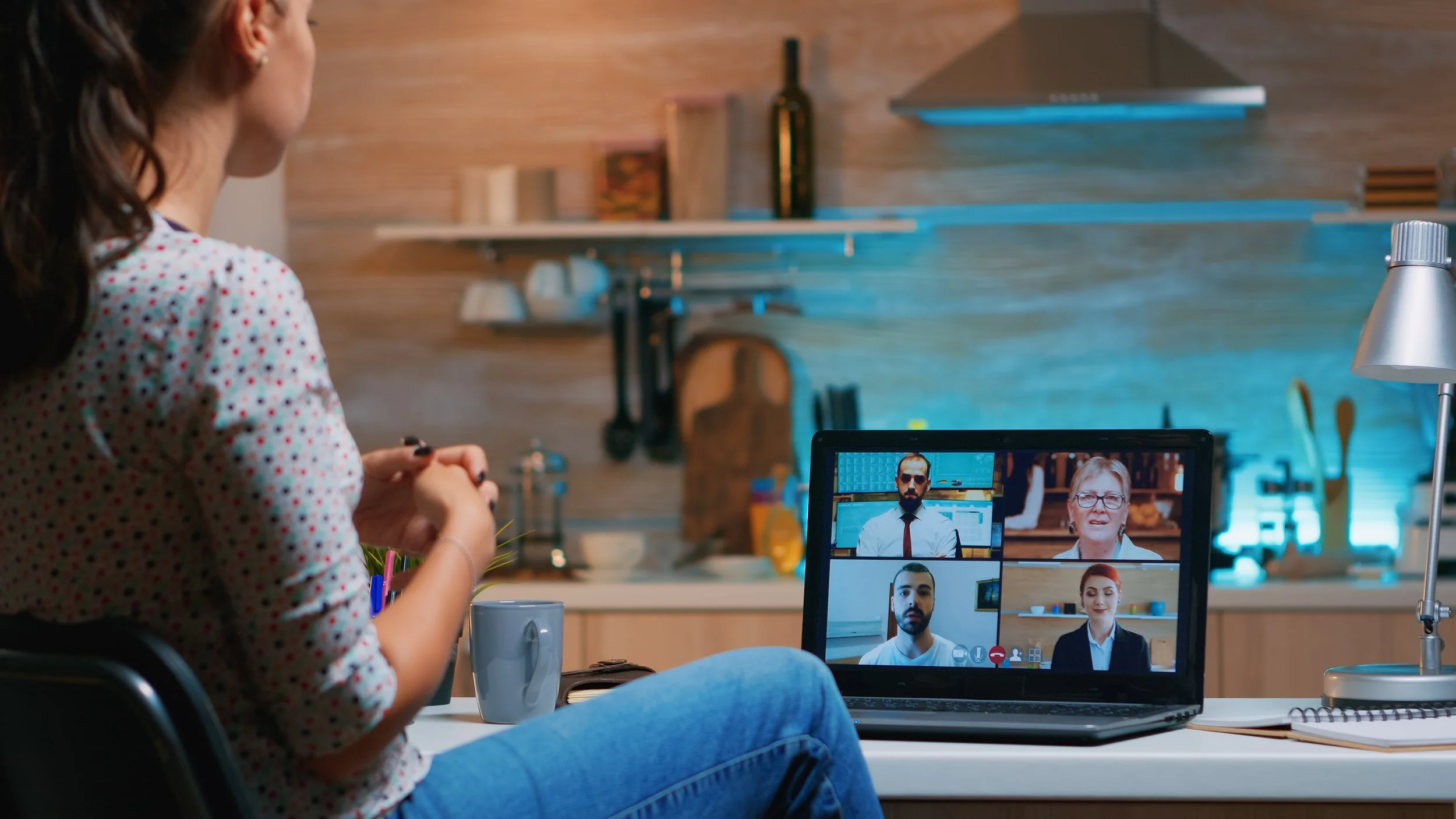
Before COVID, not everyone had reliable access to Wi-Fi and video conferencing. But a few years into the pandemic, a lot has changed. Our perceptions and openness to remote meetings and telehealth have shifted. We’re more comfortable doing things at home. As a result, some studies now offer patients the option to participate via telehealth or home healthcare visits.
"Mi piace il fatto che stiamo utilizzando modelli ibridi e che stiamo imparando modi sicuri ed efficaci per offrire questo senza perdere qualità nella ricerca", afferma il dottor Prince Adotama, dermatologo certificato e membro della facoltà della NYU specializzato in disturbi bollosi. In un certo senso è più sicuro permettere ai pazienti di rimanere a casa, soprattutto a quelli che sono a maggior rischio di COVID e altri virus o che potrebbero non essere molto mobili. "Non sono soli. Con le visite infermieristiche a domicilio, c'è comunque qualcuno che li vede, si interfaccia con loro e somministra il trattamento", aggiunge il dottor Adotama.
Dr. Aggarwal is taking the lead on putting patients first in the design of his new study, the Myositis Interstitial Lung Disease Nintedanib Trial (MINT Study). “Some patients want to interact with the researchers on a more regular basis, while others want to avoid coming in as much as possible. Our study was designed so that participants can participate remotely, from the comfort of their own home anywhere in the US,” Dr. Aggarwal explains. This novel clinical study requires no visit to a study site at all if that’s what patients choose. Alternatively, if the patient prefers they can get study visits at one of the many clinical trial sites associated with the study. For people with myositis-associated lung disease who may have limited mobility and fear of infection, not having to travel to a study site for multiple visits may be a relief.
Raggiungere le popolazioni non servite
Dr. Aggarwal may get his wish since flexible clinical trials, like his, lower the barriers to participation from more diverse populations, and accommodate job concerns, caregiving responsibilities, and transportation needs.
Some studies may also offer reimbursement for any travel that is required, and, increasingly, flexibility in scheduling so that patients can work around job and family responsibilities. Also, studies often include free testing and diagnostics as well as free or reduced-cost treatments.
Tecnologia mobile
As we become more used to using apps to schedule appointments, track health records, and fill prescriptions, we can become more comfortable participating in clinical studies using those technologies. Some trials use wearables, like smartwatches, to provide real-time, continuous data and monitoring, so that patients don’t have the added work of self-reporting or going into a clinic just to monitor vitals. Mobile technology has become so popular in recent years that government agencies and health industry leaders are developing the best practices for using technology in research. However, experts caution that there’s still work to be done in this arena to make sure the wearables perform perfectly and seamlessly with the research.
Aiutare i ricercatori ad aiutarci
Il Dr. Aggarwal osserva che i pazienti in sperimentazione ricevono maggiore attenzione e flessibilità rispetto ai pazienti clinici. Di conseguenza, la loro soddisfazione per il processo è molto alta. In un sondaggio condotto da Know Rare and Advanced Clinical, un'organizzazione di ricerca, 13 persone su 14 che hanno partecipato a uno studio clinico hanno dichiarato che lo rifarebbero.
In fin dei conti, questo è l'obiettivo principale: aiutare i pazienti a ricevere il massimo livello di cure e di progressi per le loro patologie. E sta funzionando, osserva il dottor Aggarwal. "Una volta che i pazienti entrano in uno studio", dice, "non vogliono più uscirne".
For more information about Dr. Aggarwal’s MINT Study, click here.